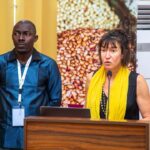
The Bonn Climate Change Conference (SB64) held from 8th to 18th June 2026 brought together global climate negotiators to shape the agenda ahead of COP31, which will be held in Antalya, Turkey in November 2026. The Seed and Knowledge Initiative (SKI) was represented by Communications Officer Karen Nekesa Samukoya and its partners and Community of Practice (CoP) including ZIMSOFF youth lead, Chengeto Sandra, and Juliet Nangamba, Akina Mama wa Afrika (AmwA). This year’s conference placed climate finance, adaptation, and a just transition at the centre of negotiations, setting the tone for the road to COP31.
While developed countries reaffirmed their commitments to support vulnerable nations, discussions highlighted the persistent gap between climate finance pledges and actual delivery. This funding shortfall continues to leave many farming communities without the resources needed to adapt to increasingly severe climate impacts. Delegates also called for adaptation frameworks with indicators that reflect the realities of smallholder farmers and recognise the value of local and Indigenous knowledge systems.
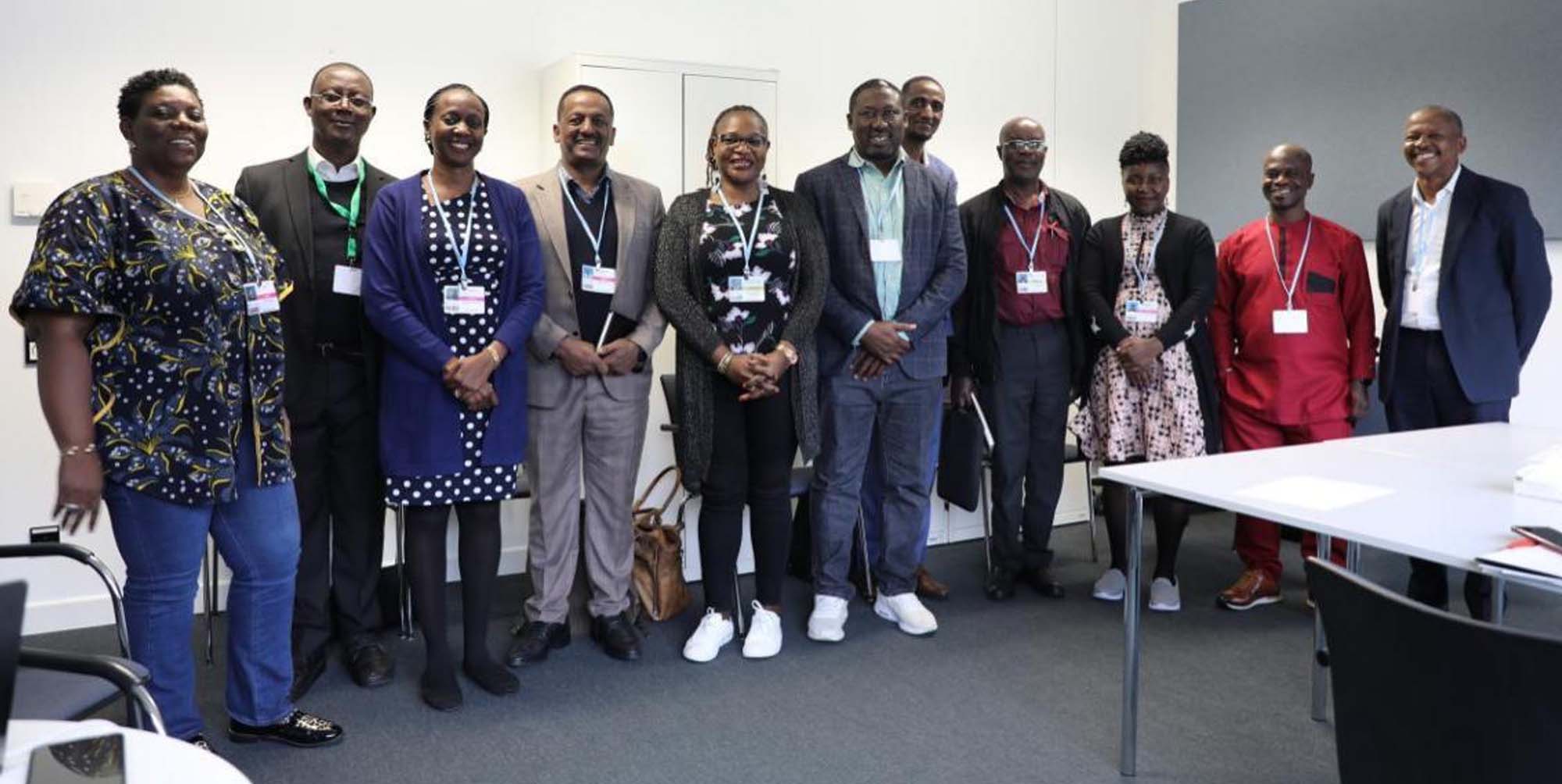
At the conference, agroecology champions and civil society organisations worked to ensure African perspectives remained visible in global climate discussions. Although access to some agriculture-focused negotiation spaces was limited, daily coordination and information-sharing facilitated by the Alliance for Food Sovereignty in Africa (AFSA) enabled continued engagement and collective advocacy. Civil society organisations stressed that a just transition must go beyond energy systems to include agriculture, food systems, rural livelihoods, and social protection. For Africa, this means building resilient farming communities, strengthening farmer-led seed systems, advocating for the integration of agroecology into climate policy frameworks, and ensuring global climate commitments are translated into meaningful action for frontline communities.
For SKI, Bonn reinforced that global climate policy will only succeed if it is shaped by the knowledge and priorities of farming communities themselves.