Our Work

Ecosystems and food systems, globally and in Southern Africa where we live and work, are in crisis. Resolving the crisis is an urgent priority in terms of health and well-being, climate justice and community resilience. Agriculture is both a cause of and a solution to this challenge. The imperative to change the industrial agriculture system and as a result our food system is becoming ever more urgent.

Transitioning to agroecology, strengthening diverse, farmer-led seed systems and supporting communities towards an interdependence with nature and others, are the changes we believe will catalyse a positive shift in this crisis. We therefore work with partners in the region to contribute towards the local and global movement for food sovereignty.

SKI partners' activities focus on…

  • Generating and sharing knowledge through horizontal learning processes, is at the core of the strategy and as a result many opportunities are created for this to happen.
  • Field days, trainings, farmer to farmer exchanges are among the key learning opportunities. With the loss of seed comes the loss of knowledge about the seed, so farmers benefit from learning from one another. Seed fairs remain a highlight of every year and at these events the full value of seed diversity is in the spotlight for all to appreciate. For many partners community dialogues form the basis of meaningful and lasting community engagement and change.
  • Building a platform for learning and action in the region based on a shared knowledge and practice on the key impact areas. A particular strength of SKI is the ability to be a connector, to have a ‘birds-eye’ view in the region and to connect and link opportunities in communities, organisations, and individuals that enabled sharing their practices and positions.
  • By establishing a Community of Practice early on, practitioners joined in a regional space where they could co-create knowledge to build such a platform for future action.
  • Through the work of UCT, a number of students and other research projects explored issues around seed and contributed to changing narratives around seed, AE, GMOs, and research ethics.
  • Research and advocacy to shift discourse and generate meaningful solutions that will drive a supportive policy environment. Participatory research, publications and facilitating meaningful dialogue with a diversity of actors, are some of the activities that contributes towards a shifting discourse.
  • Supporting organisational development and mobilising resources to enable effectiveness and a common strategy has been a key part of our strategy and enables partners to focus their efforts towards addressing the immediate crisis in the region – on farm, organisational and policy levels.

At the time of joining SKI, partners’ described the fragile nature of food and nutritional security for the smallholder farmers they worked with:
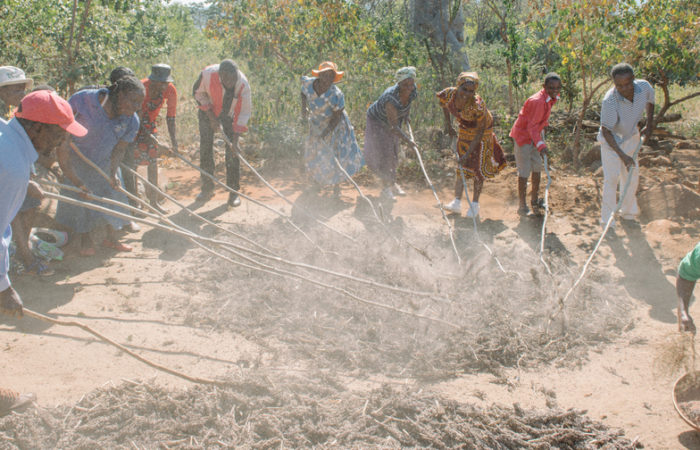
Small-scale farmers in southern Africa have been selecting, saving, and exchanging seed for generations.
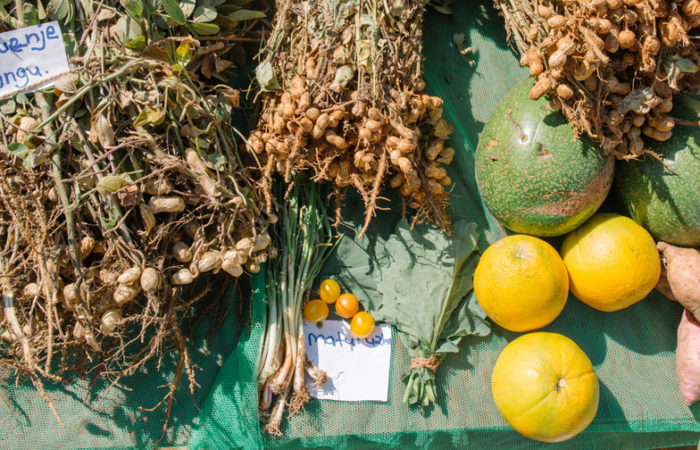
Agroecology is a key dimension to SKI’s work as this approach addresses multiple issues as it seeks to enhance ecological integrity;
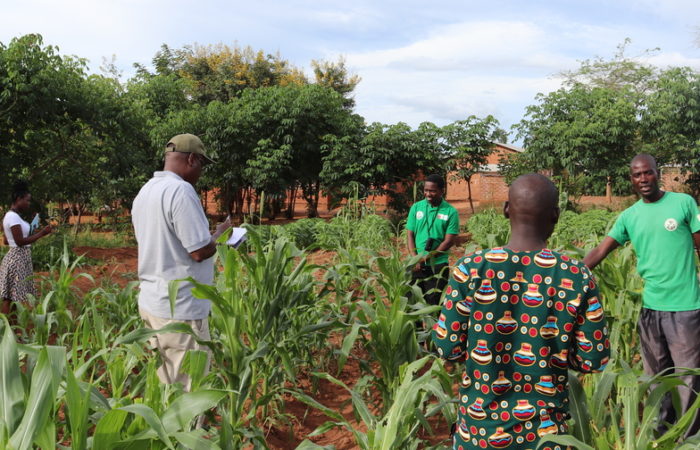
SKI uses a resilience framework for understanding the dynamic relationship between humans and the natural and socio-political environment